
HISTORY OF KASHMIR PASHMINA SHAWLS
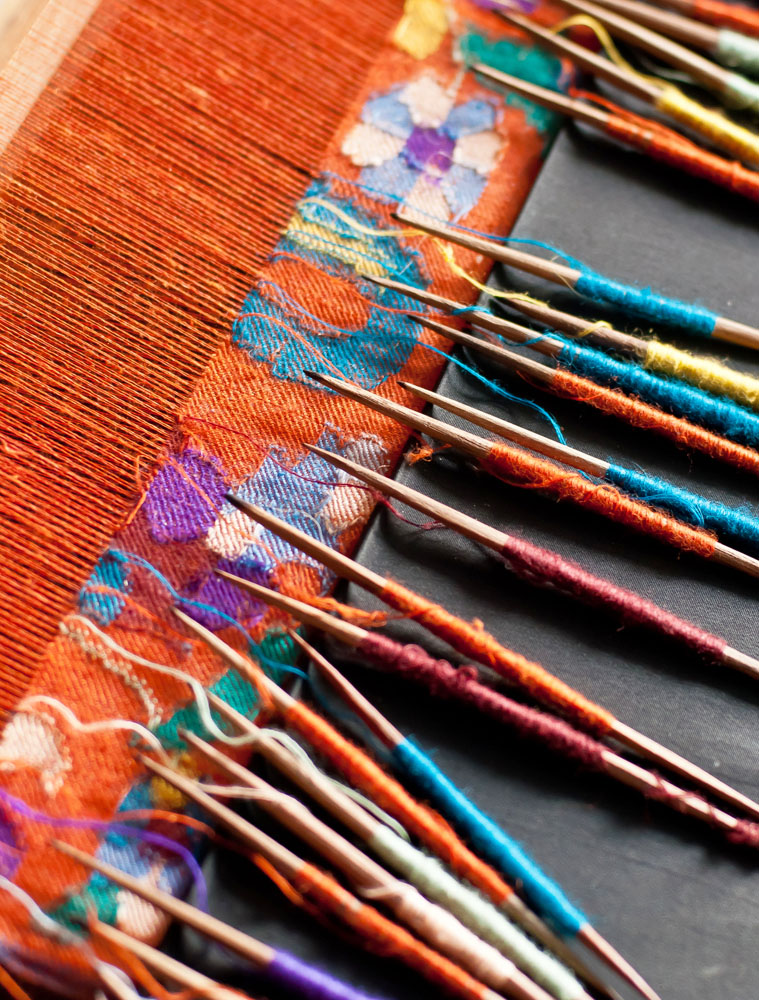

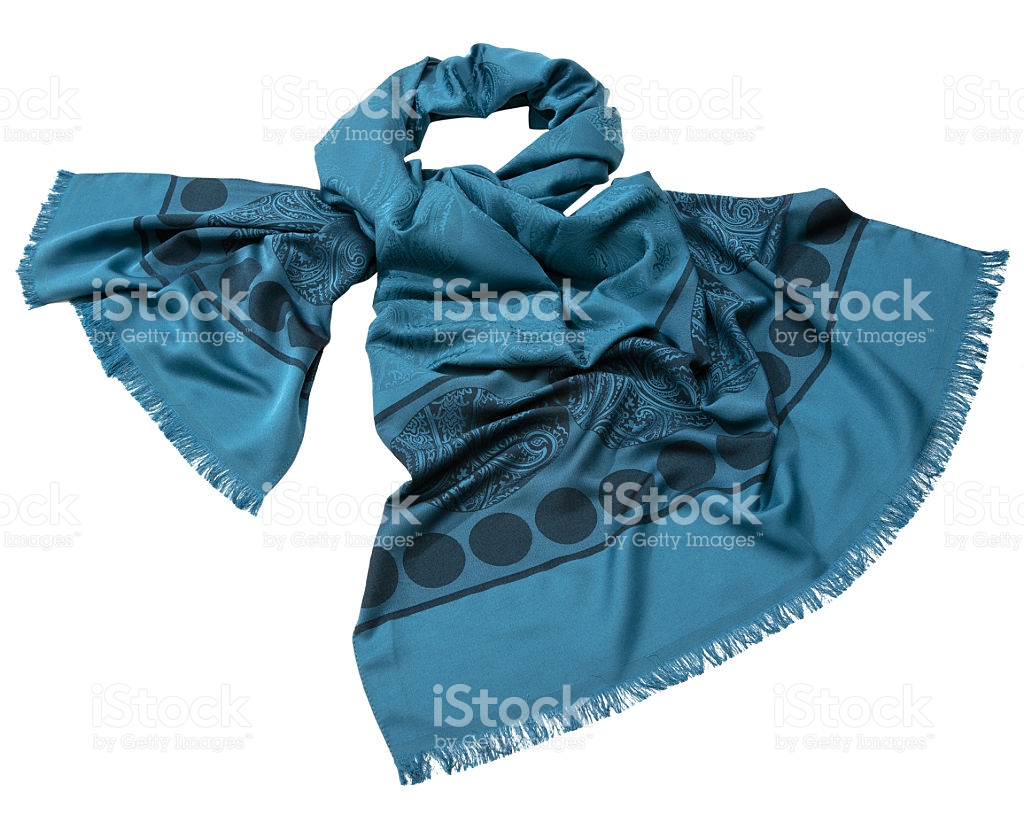
The origin of shawls in the world can be traced back more than 700 years. However it has not been confirmed as to when and where the first shawl was made and in fact by whom. It was Zain-Ul-Ahadin in mid-14th century who introduced the art of weaving in the Kashmir, valley. The first record comes from the Mughals period. By the 16th Century the Kashmir shawl industry was an old and well-established one. King Akbar encouraged and promoted the manufacture of shawls in Kashmir. He also presented a gift of Kashmir Jamawar shawl to the Queen of England. Fabrics Bernier description of shawls in the late 17th Century, leaves us in no doubt that he is referring to the same pashmina shawls that became famous as Kashmir (Cashmere) Shawls. It became a highly fashionable and stylish garment when Empress Josephine famously received Kashmir shawls as gifts from Napoleon. The shawls became a favored item in the wardrobe of every fashionable woman in Europe, particularly in France. The Industry flourished during this period. The Industry suffered through the reign of Afghan and then Sikh rule. This was a period in Kashmir history where there was a marked decline in crafts. However, in the late 18th Century during the reign of Maharaja Ranbir Singh, the trade picked up. In the early 19th Century the shawl exhibitions in the European market helped to create awareness and promote Kashmir shawls again throughout the world. The Embroidered shawl was the creation of a peasant called Ali Baba. Allegedly Ali Baba once noticed the imprint of a fowl's feet left on a white sheet and he proceeded to embroider the outline with colored thread to enhance the effect and that is how the embroidered shawls were introduced. Silk and cotton thread is used for embroidery. The artisan has to twist the raw silk until it fits the eye of the needle. The workmanship is so intricate and time consuming that some embroidered shawls take 2-4 years’ time to complete. Pashmina shawls are an inevitable part of tradition filled Kashmir wedding rituals.
SPARSHA KASHMIR PASHMINA
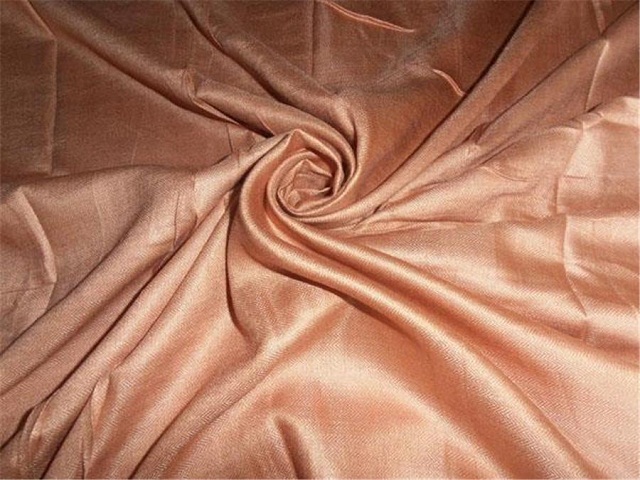
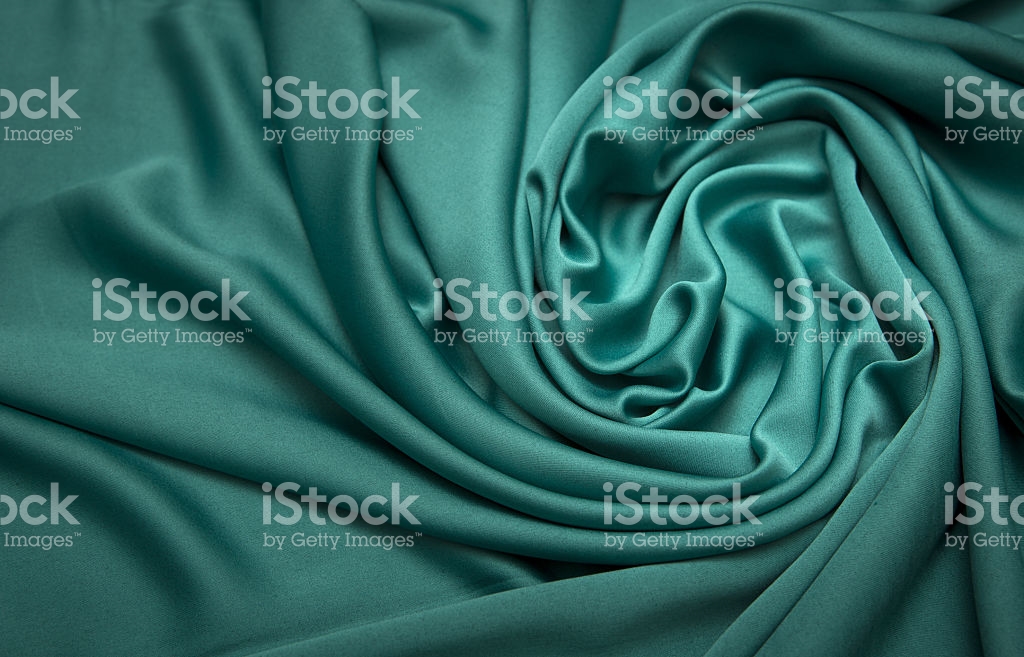
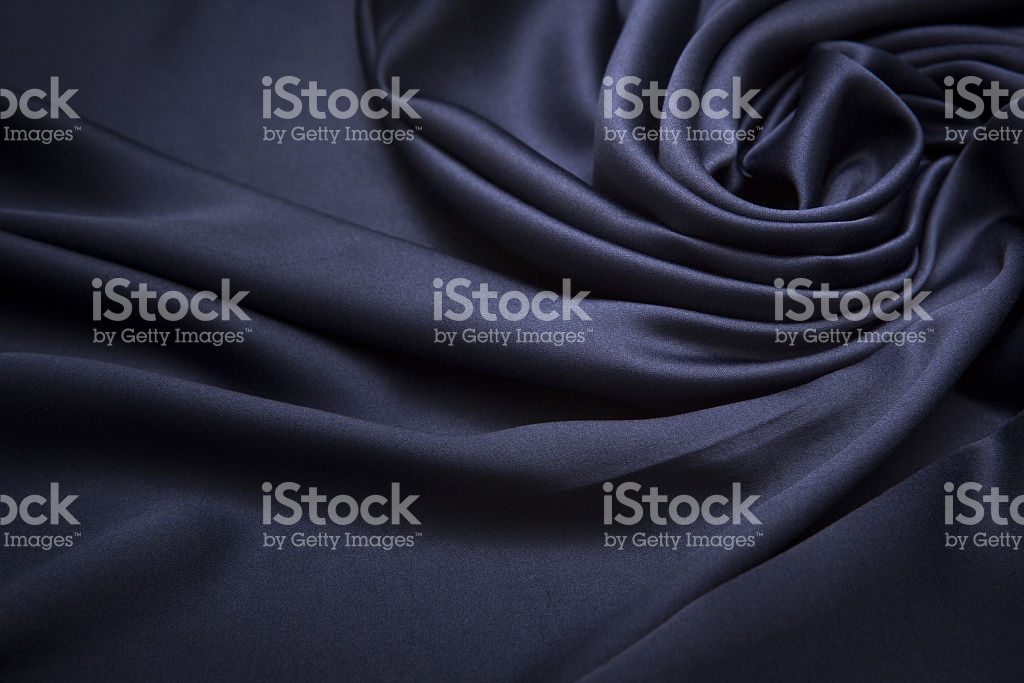
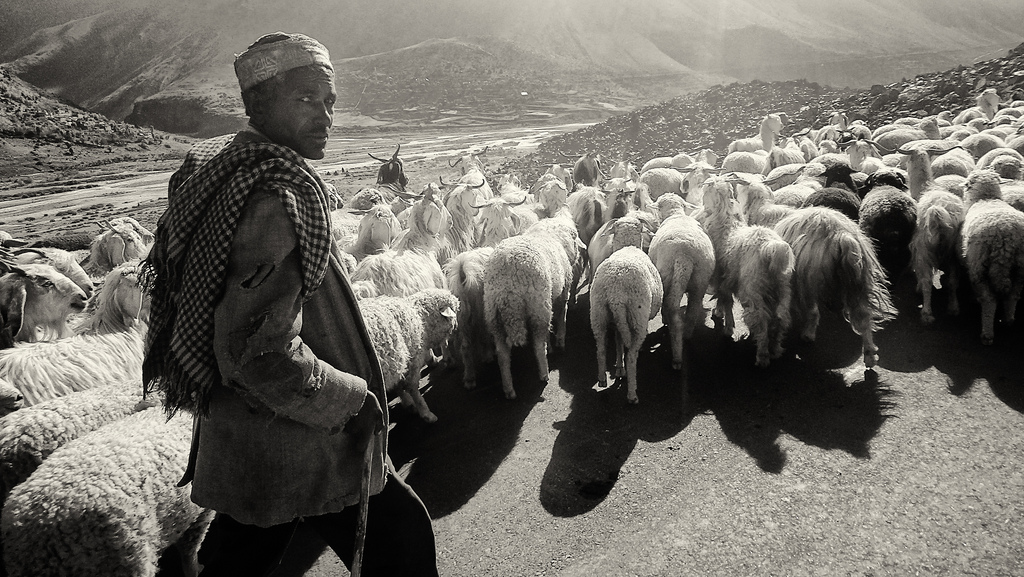
Be a joyful Occasion of Birthday, Anniversary, Christmas, New Year or Valentine day, Sparsha's Pashmina Cashmere will be a memorable and long lasting gift to your loved ones. Pashmina fabric reflects the story of ancient delicate wool originated from Kashmir India, a fine end product of exemplary skills and artistry. Pashmina wool" is combed off from Capri Hicus Goat of freezing Ladakh region (high Himalayan region) from soft undercoat of neck and belly, famous for its unique appearance and fabric fineness of less than 20 microns, which make it difficult to be spun by machines. The handspun yarn woven by local craftsmen is superior and authentic compared to machine woven. So Pashmina is particularly soft & warm and the natural colors of fleece are mostly white or gray or brown or dark tan in nature. Dyeing, another hand process needs high skills and experience that can influence the quality of product. Dyes are natural and chemical free which makes pure pashmina EcoFriendly. The process of separating fine hair is herculean and time consuming. Sparsha mainly focus on marketing and retail sale of handwoven Pashmina ONLY, knitted using ancient wooden looms. Some of the plain or embroidered shawls/stoles can take 12-24 months to make it, adding to the expense of fiber. Due to its high fame in western, Cashmere term is widely used for all sort of similar wool fabric from different breeds and continents. Some of the experts says,Pashmina Cashmere is a process by itself and process from dusting to spinning to washing has to happen within the region to hold best results in quality and appearance
Creating an Experience with Sparsha
Sparsha Cashmere is procured directly from Kashmir region ensuring the best quality clothing. All our products are hand woven and offers unique patterns & colors designed by skilled craftsmen. We take up special interest to update with latest trends in the industry. Today, however, the word PASHMINA has been used too liberally. Some shawls marketed as pashmina shawls contain wool, while other companies have marketed the man-made fabric viscose or polyester as "pashmina" with deceptive marketing statements such as "authentic viscose pashmina", thus creating confusion in the market. SPARSHA is committed towards social development of Kashmir society supplying original Kashmir made product, contributing to well-being of valley artisans and weavers.
We offer pure Pashmina in plain and embroidered designs with ethnic Indian or Indo-western designs. Pure Pashmina is expensive, but blended with wool/silk is less expensive. Sparsha also offers latest blended Pashmina collections (70% Pashmina/30% Wool, 70% Pashmina/30% Silk, 100% pure wool). Available sizes are 30x150cms, 80x200 cms and 100x200 cms. Our customers are free to interact with us for their customized design requirements. Sparsha Indian ethnic designs ( kanis, phulkari, paisley) and Indian-western blend ( plain, check, strike, double sided etc) are also our attractions and available. Hand crafted Embroidery designs are done both on Pashmina and wool fabrics. Famous types are sozni, kani, papier-mache and aari based on the type of needles and opted designs.
Sparsha products are recommended for handwash with cold water or regular dry clean. Life of pure pashmina can last over 5-10 years if well taken care. Pashmina get softer and more give better appearance with each wash. Handwashed shawls/stole should be kept on a simple drier to dry.
